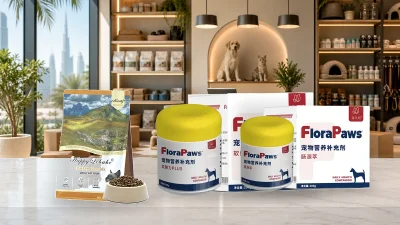
UAE pet food buyers often sell through premium pet shops, ecommerce, grooming stores, veterinary channels and distributors that also look at GCC opportunities. In this market, price matters, but packaging and storage discipline matter just as much because products can move through hot delivery routes, air-conditioned shops, warehouses and last-mile delivery.

Why UAE packaging needs a different discussion
A pack that works in a mild market may still need review for the UAE. Heat exposure during unloading, storage, delivery vans and customer handling can affect bag appearance, sealing confidence and consumer trust. Dry pet food is not a chilled product, but the buyer still needs to protect aroma, fat stability, bag shape and carton condition.
Start with the selling channel
Premium retail needs a clean front panel, strong shelf presence and good product photography. Ecommerce needs outer cartons that tolerate courier handling. Distributor channels need pallet logic, clear carton labels and reorder planning. A single quotation should not mix all channels without explaining which one is the first priority.
- Pet shops need packs that look clean after handling and shelf display.
- Online sellers need carton strength and product photos sized for marketplace pages.
- Regional distributors need SKU discipline, pallet planning and stable reorder assumptions.
Use heat-aware pack size planning
Small packs help premium trials and ecommerce bundles, while larger packs can support loyal dog owners and wholesale customers. For the UAE, pack size should be tied to how quickly the product will rotate. Slow-moving large bags can create more risk than a slightly higher-cost smaller pack with faster turnover.
Private label needs carton and label control
For private label, UAE buyers should prepare brand position, bag size, English or bilingual copy, barcode needs, carton marks and launch timing. Local registration, import and claim language should be checked with the relevant UAE authorities or professional advisers. For general regulatory awareness, buyers can monitor resources from the UAE Ministry of Climate Change and Environment.
What to send before asking for a quote
A useful UAE enquiry should include target channel, pack size, expected monthly reorder, warehouse location, delivery route, private label status and required documents. If GCC resale is part of the plan, mention it early because label language, carton marks and distributor expectations may change.
How Xinji can support
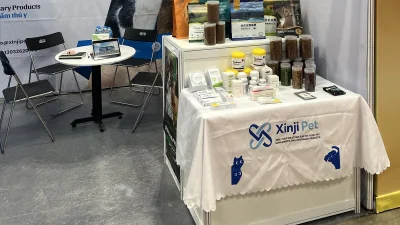
Xinji can help compare formula direction, packaging format, sample timing, private label artwork steps and carton planning. The best starting point is a short B2B brief through the contact page, not a request for a generic price list.
UAE buyer checklist before sampling
Before requesting samples, UAE buyers should separate three decisions: the product level, the channel and the logistics path. A premium shop in Dubai may need stronger shelf design and smaller trial packs, while a distributor preparing GCC resale may care more about carton marks, pallet logic and reorder stability. These details change the quotation even when the formula direction is similar.
How to brief a factory more clearly
A useful brief should include target pet type, pack size, target retail price band, monthly forecast, whether the product is for UAE only or wider GCC sale, and whether Arabic, English or bilingual label support is needed. If the buyer is building a private label range, the artwork schedule and barcode plan should be discussed before mass production.
Quality and document expectations
For UAE importers, document preparation should be part of the supply plan instead of a last-minute request. Discuss ingredient direction, production batch records, shelf life statement, carton labels and sample retention. This does not replace local compliance review, but it helps the buyer compare suppliers on operational readiness rather than only unit price.